
Enterprise Architecture.
Structure Systems.
Shape Performance. Enable Scale.
Architecture defines how systems operate, interact, and evolve. A well-structured foundation brings clarity, consistency, and long-term scalability.

Shape: How Systems
Come Together
Every system is built in layers. Each layer has a strategic role.
Applications Layer
User-facing systems that support business operations and workflows. They define how users interact with the system.
Services Layer
Business logic and processing that power application behavior. This layer ensures consistency across functions.
Data Layer
Data storage, access, and movement across the system. It ensures accuracy, availability, and consistency.
Infrastructure Layer
Compute, network, and environment where systems operate. It supports performance and scalability.
Unified Foundation
Architecting for the future.
From Structure to
System Behavior.
Shaping high-magnitude systems through a structured 6-step process.

Understand the System Context
Capture workflows, dependencies, integrations, and scale requirements. Define how the system is expected to operate.
Define System Boundaries
Establish components, responsibilities, and interaction points. Ensure clarity across system structure.
Design Data and Flow
Map how data moves across applications, services, and systems. Ensure consistency and reliability in interactions.
Establish Communication Patterns
Define how systems interact through APIs, events, and services. Enable structured and scalable communication.
Build the Architectural Foundation
Implement core structures aligned with scalability and performance. Ensure readiness for real-world usage.
Validate and Refine
Test system behavior under real conditions. Ensure reliability, performance, and consistency.
Architecture in Practice.
Systems operate across multiple environments, platforms, and use cases. Architecture ensures they remain aligned and connected.
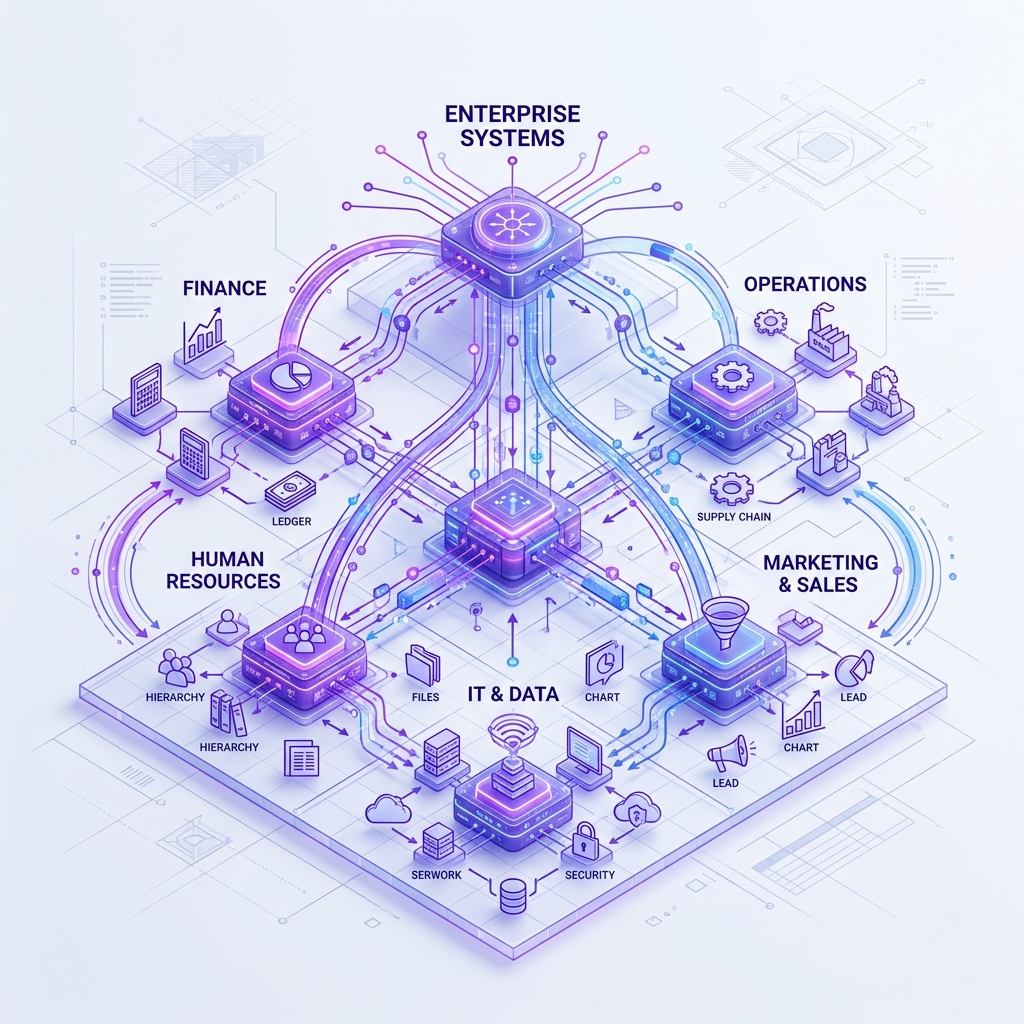
Enterprise systems across departments
Creating unified architectural frameworks that connect disparate departmental silos.
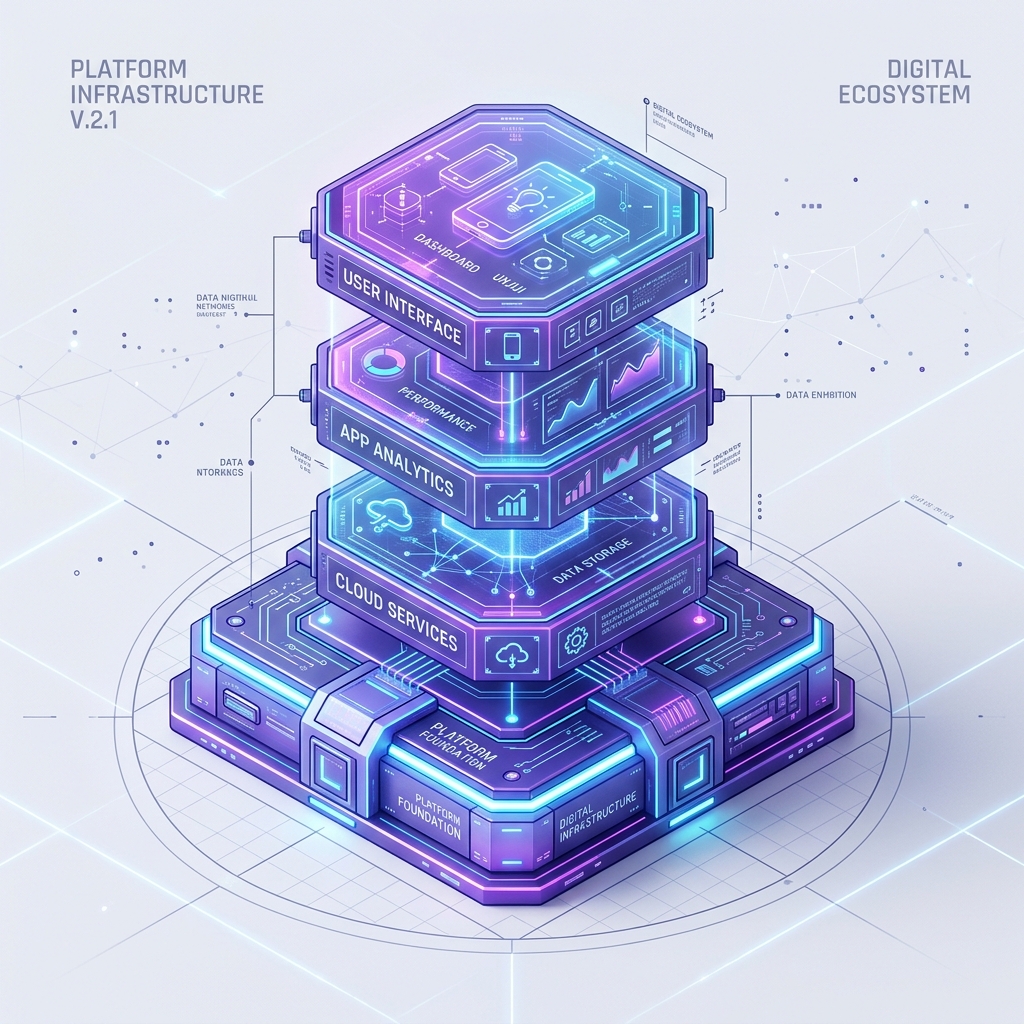
Platforms supporting multiple applications
Building scalable foundations that power a diverse ecosystem of digital products.

Integrated environments across services
Ensuring seamless communication and data flow across distributed service layers.
Architecture Styles
Different systems. Different structures. Shaping how modern enterprise ecosystems interact and evolve.
Modular Systems
Applications are divided into structured components with clear responsibilities. This improves maintainability and flexibility.
Distributed Systems
Systems operate across multiple services and environments. This enables scalability and independent evolution.
Event-Driven Systems
Systems respond to events and triggers in real time. This supports dynamic and responsive workflows.
Platform Systems
A shared foundation supports multiple applications and services. This enables reuse, expansion, and consistency.
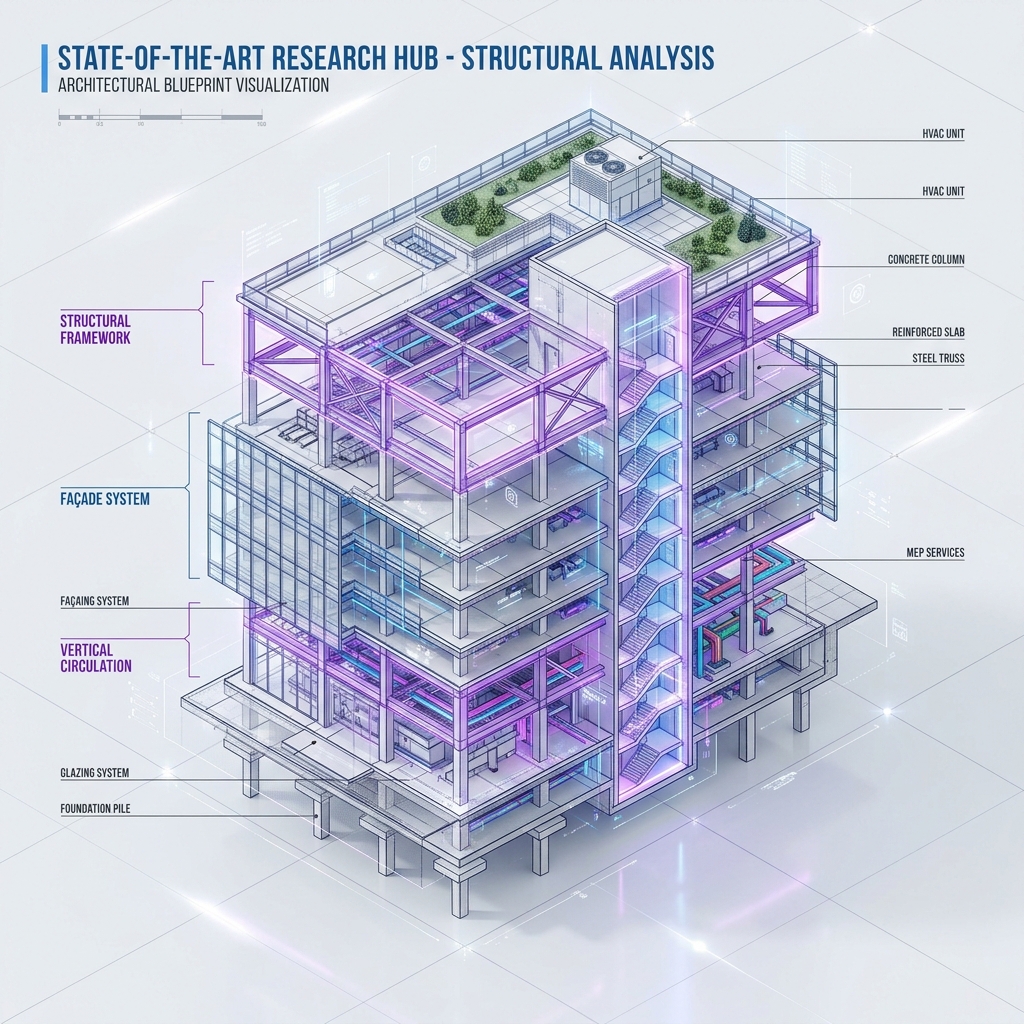
Principles verified through 500+ enterprise deployments.
Design Principles That
Guide Every System.
Clarity in Structure
Each component has a defined role and responsibility. This reduces complexity and improves system understanding.
Scalability by Design
Systems are structured to support growth across users and data. Performance remains consistent as scale increases.
Consistency Across Layers
Interactions between components remain predictable and reliable. This ensures stability across the system.
Structure First. Scale with Confidence.
Design systems that align with your business, data, and growth needs. Build architecture that supports long-term performance and evolution.