Shape Experience. Define Direction.
Design how users interact across products, platforms, and touchpoints. Align experience decisions with business outcomes and user expectations.
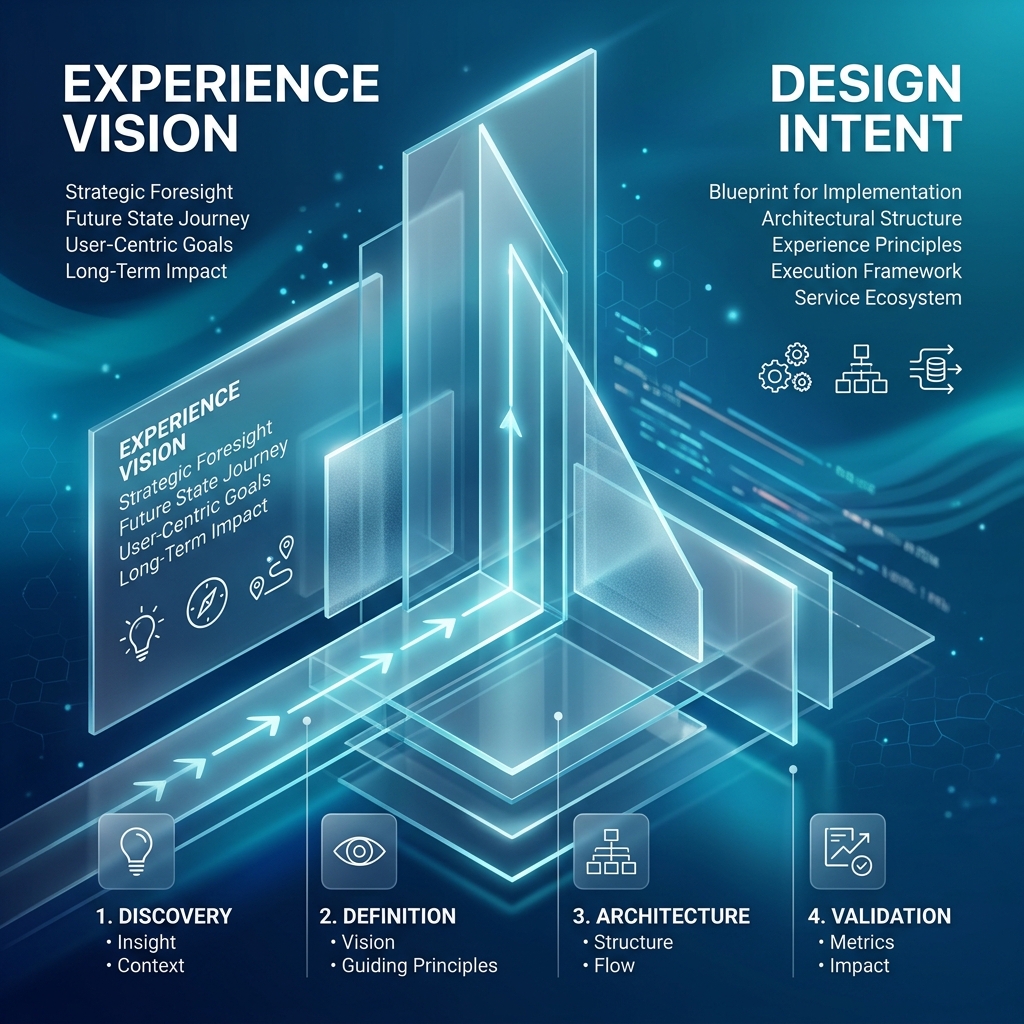
Define Vision. Align Intent.
Experience strategy starts with a clear vision. Every interaction reflects purpose, clarity, and direction.
Experience Vision
Define how the product should feel and function. Align experience with brand and business goals.
User Context
Understand user needs, behaviors, and expectations. Ensure relevance across interactions.
Experience Principles
Establish guiding principles for design decisions. Maintain consistency across products.
Align Product. Enable Consistency.
Experience spans across product features and systems. Alignment ensures consistency in delivery across multi-modal environments.
Feature Alignment
Ensure features support user journeys. Maintain clarity across functionality and intent.
Cross-Platform Consistency
Align experience across web, mobile, and systems. Ensure uniform interaction patterns.
Design Coordination
Synchronize design across teams and products. Maintain unified experience standards.
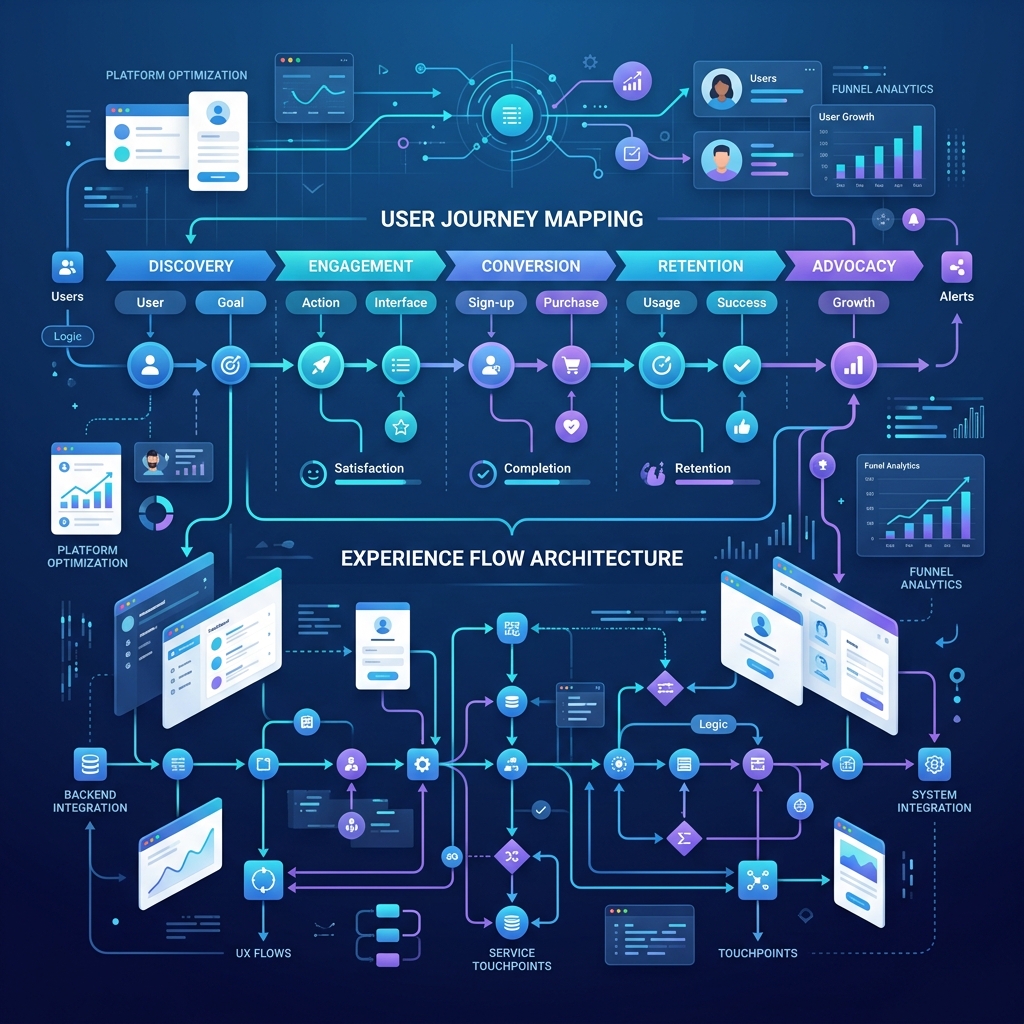
Map Journeys. Structure Flow.
User journeys define how experiences are delivered. Every step is designed for clarity and progression.
Journey Mapping
Define paths across key user scenarios. Ensure logical and seamless flow.
Touchpoint Identification
Identify all interaction points across platforms. Maintain continuity across channels.
Flow Structuring
Organize steps for smooth transitions. Reduce friction across journeys.
Define Standards. Maintain Quality.
Standards ensure experience quality across scale. Every design follows structured guidelines to maintain excellence in every interaction.
Design Guidelines
Define rules for layout, interaction, and behavior. Ensure consistent execution across all product surfaces.
Content Standards
Align messaging, tone, and communication. Maintain clarity and precision across every user interface.
Experience Governance
Ensure adherence to defined standards. Maintain quality and operational excellence across product teams.
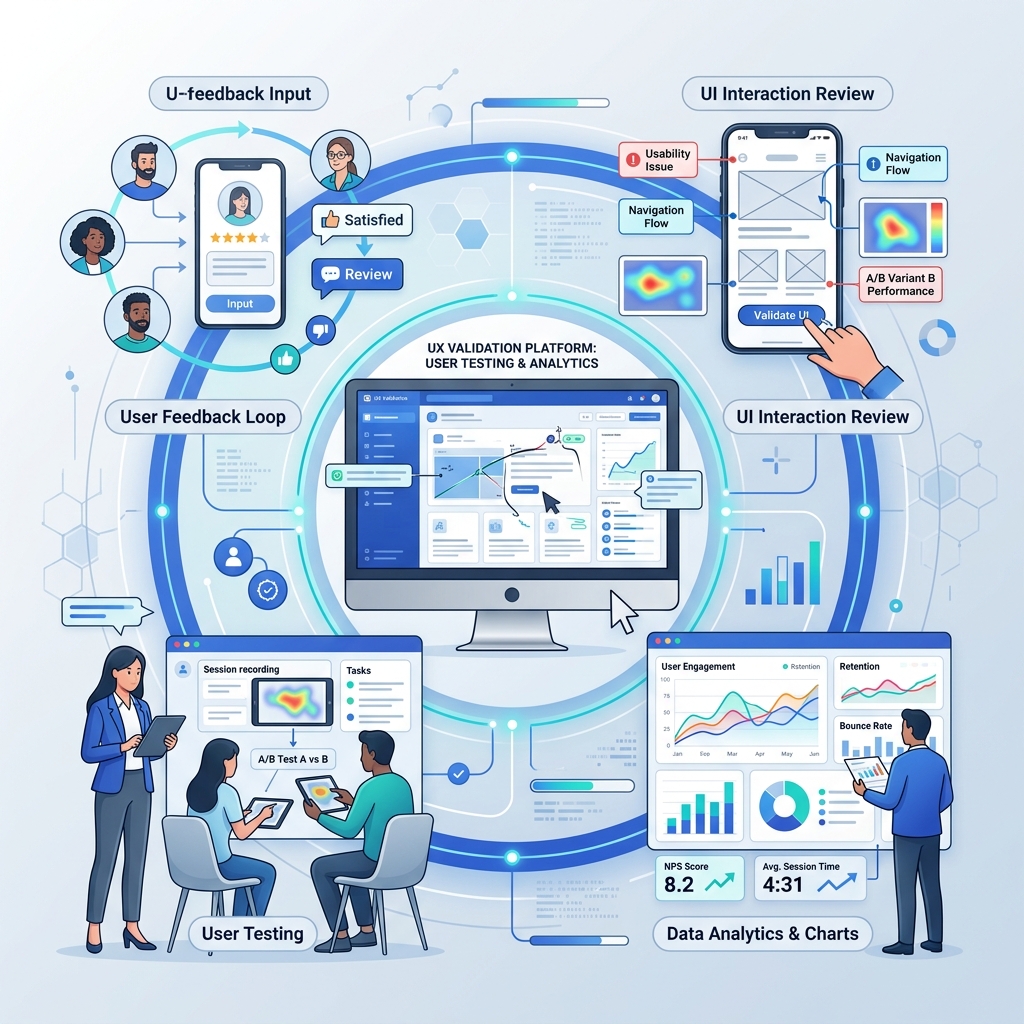
Validate Experience. Improve Clarity.
Validation ensures experiences meet expectations. Feedback drives refinement and improvement.
User Testing
Test journeys and interactions with users. Identify usability gaps and optimization points.
Feedback Integration
Incorporate user insights into design decisions. Improve experience quality and relevance.
Experience Review
Continuously assess design effectiveness. Ensure alignment with business and user goals.
Scale Experience. Sustain Quality.
Experience systems evolve with product growth. Proper structure ensures consistency across expansion without compromising on quality or clarity.
System Expansion
Extend experience across new features and platforms. Maintain consistency across the entire ecosystem.
Design Adoption
Enable teams to follow defined standards. Ensure uniform execution across distributed product teams.
Experience Stability
Maintain quality across scale. Support long-term product growth with stable and predictable experience patterns.
Execute Strategy. Drive Consistency.
Experience strategy is applied through structured execution. Every phase ensures alignment and clarity across the entire product lifecycle.
Discover
Understand users, context, and business goals. Define experience direction.
Define
Establish journeys, principles, and standards. Create structured experience plans.
Design
Translate strategy into interfaces and flows. Ensure clarity and usability.
Evolve
Refine experience based on insights. Improve continuously through data.
Download Strategic Resources
Access curated toolkits and frameworks to help you design, guide, and sustain your experience strategy with absolute consistency.
Strategy Guide
Experience Strategy Guide
System Framework
Experience Principles Framework
Mapping Toolkit
User Journey Template
Evaluation Kit
UX Audit Checklist
Governance Spec
Design Standards Template
Design Experiences That Lead
Create strategies that guide every interaction with clarity and intent. Deliver experiences that align users, products, and business outcomes.